


Table of Contents
- Understanding Removal Proceedings and Immigration Court
- Defenses Against Deportation You Should Know
- Cost of Deportation Defense Attorney Services
- Pro Bono Immigration Lawyers and Low-Income Assistance
- How to Find a Qualified Deportation Defense Attorney
- Preparing Your Deportation Defense Case
- Conclusion
Last Updated: August 15, 2026
Understanding Removal Proceedings and Immigration Court
Facing removal proceedings is one of the most stressful experiences an immigrant can encounter. At Kanu & Associates, P.C., we work with individuals and families navigating immigration court to understand their rights and explore every available defense. Removal proceedings are formal legal actions initiated by the Department of Homeland Security to deport a noncitizen from the United States. These proceedings take place in immigration court before an immigration judge and proceed through distinct phases, each with its own deadlines and requirements. Missing a single deadline or failing to file required documents can result in a default judgment against you, which is why legal representation matters from the very beginning.
What Happens at a Master Calendar Hearing
The master calendar hearing is typically your first appearance in immigration court after receiving a Notice to Appear. During this hearing, the immigration judge reviews your case, you confirm your identity and address, and the government presents the charges against you. The judge will ask whether you have legal representation and whether you understand the allegations. The Department of Homeland Security will present the basis for removal, which might be a criminal conviction, a visa violation, or another ground for deportation.
This hearing is not the time to present your full defense. Instead, it’s an administrative proceeding where the court ensures you understand the charges and your rights. Your attorney should use this hearing to request continuances if needed to gather evidence, file applications for relief, and prepare your case. The judge may also address whether you’re eligible for bond or whether you should remain in detention during your proceedings.
The Individual Hearing and Your Right to Present Evidence
The individual hearing is where your deportation defense case is actually decided. This is a full hearing before the immigration judge where you can present evidence, call witnesses, and argue why you should not be removed from the United States. The government presents its evidence first, establishing the charges against you. You then have the right to present your own evidence, including documents, photographs, letters of support, and testimony from witnesses.
The immigration judge will evaluate all evidence presented and determine whether the government has proven the charges by clear and convincing evidence. You have the right to have documents and testimony interpreted if you don’t speak English fluently, and the court must provide interpretation services at no cost to you. You also have the right to examine evidence presented by the government and to cross-examine government witnesses.
Defenses Against Deportation You Should Know
Multiple defenses and forms of relief exist under immigration law. Some defenses challenge whether the government can prove the charges against you. Others acknowledge the charges but argue that you’re eligible for relief from removal despite being deportable. Common defenses include challenging the validity of your entry into the country, questioning whether a criminal conviction actually constitutes a ground for deportation, and arguing that procedural errors occurred in your case.
Cancellation of Removal and Relief Options
Cancellation of removal is one of the most important forms of relief available to certain noncitizens facing deportation. To qualify, you must have been physically present in the United States for at least 10 years, have good moral character, and demonstrate that removal would result in exceptional and extremely unusual hardship to your U.S. citizen or lawful permanent resident spouse, parent, or child.
The hardship requirement is the most difficult element to establish. You must demonstrate hardship that is truly exceptional and unusual compared to what other families experience when a member is removed. Courts consider factors like the health and age of your family members, their financial dependence on you, and whether they have any ties to another country. Cancellation of removal is discretionary, meaning that even if you meet all eligibility requirements, the immigration judge can deny your application based on adverse factors in your case, such as criminal history or immigration violations.
Establishing cancellation of removal requires extensive documentation: evidence of your physical presence in the United States, letters from family members describing hardship, medical records if family members have health issues, and financial documentation showing economic dependence. An experienced deportation defense attorney is invaluable in this process.
Asylum and Refugee Protection as a Defense
If you’ve fled persecution in your home country, asylum may offer protection from removal. Asylum is available to people who are unable or unwilling to return to their country because of persecution based on race, religion, nationality, political opinion, or membership in a particular social group.
To establish asylum eligibility, you must demonstrate a well-founded fear of persecution based on one of the five protected grounds. Asylum cases often require expert testimony about conditions in your home country, documentation of past persecution, and detailed personal testimony about your experiences. Credible fear interviews are a preliminary step in the asylum process. If you express a fear of persecution when apprehended, you’re entitled to a credible fear interview with a USCIS officer. If you pass this interview, you’re allowed to proceed with a full asylum hearing in immigration court.
Family-Based Relief and VAWA Support
Family relationships can provide grounds for relief from removal in certain circumstances. If you have a U.S. citizen or lawful permanent resident family member, you may be eligible for cancellation of removal based on family hardship.
VAWA (Violence Against Women Act) relief is available to certain victims of abuse by a U.S. citizen or lawful permanent resident spouse, parent, or adult child. If you qualify for VAWA relief, you can apply for lawful permanent resident status without your abuser’s knowledge or consent. To establish VAWA eligibility, you must demonstrate that you’ve been abused, that the abuser is a U.S. citizen or lawful permanent resident, that you’ve resided with the abuser, and that you entered into the relationship in good faith. You’ll need to provide evidence of the abuse, which might include police reports, medical records, photographs, or testimony from witnesses.
Cost of Deportation Defense Attorney Services
The cost of deportation defense attorney services varies significantly depending on the complexity of your case, the attorney’s experience level, and the specific services needed. When evaluating cost, understand what’s included in the fee: Does it cover the master calendar hearing and individual hearing? Does it include preparation time, document gathering, and witness coordination? Are there separate charges for appeals or post-removal proceedings?
Pro Bono Immigration Lawyers and Low-Income Assistance
If you cannot afford private legal representation, pro bono services may be available. Pro bono immigration lawyers provide free legal services to low-income individuals and families. The New Mexico Immigrant Law Center (NMILC) is a nonprofit organization offering free immigration legal services to low-income immigrants in the state.
Pro bono services typically have eligibility requirements based on income. Many immigration attorneys also accept reduced fees for low-income clients or work with nonprofit organizations that help cover legal costs. Legal workshops and consultations are another resource for low-income individuals. Many nonprofit organizations and law schools offer free workshops on immigration topics and some provide free initial consultations with attorneys.
How to Find a Qualified Deportation Defense Attorney
Finding the right attorney for your deportation defense case is one of the most important decisions you’ll make. A qualified deportation defense attorney should have specific experience handling removal proceedings, understand the immigration court system in your jurisdiction, and be able to explain complex legal concepts clearly.
What to Look for in Legal Representation
Experience matters significantly in deportation defense. Look for an attorney who has handled numerous removal proceedings and can point to successful outcomes in similar cases. Communication is critical, your attorney should explain legal concepts clearly, keep you informed about developments in your case, and be accessible when you have questions.
Specialization is important. Those who focus specifically on deportation defense have deeper expertise in removal proceedings. Your attorney should also understand the intersection of immigration law and criminal law if your case involves a criminal conviction.

Language Access and Translation Rights in Court
You have the right to interpretation services in immigration court at no cost to you. If you don’t speak English fluently, the court must provide a qualified interpreter in your native language. When working with an attorney, language access is equally important. Your attorney should be able to communicate with you in your preferred language or ensure that qualified interpretation is available during meetings.
Translation of documents may also be necessary. If you have documents in your native language that are important to your case, you may need to have them translated into English by a certified translator.
Preparing Your Deportation Defense Case
Preparing a strong deportation defense case requires organization, documentation, and strategic planning. The earlier you begin preparation, the better. Beginning preparation immediately upon receiving a Notice to Appear gives you more time to gather evidence and develop strategy.
Checklist for Gathering Evidence and Documentation
Gathering comprehensive evidence is fundamental to a strong deportation defense. Here’s a practical checklist of documents and evidence you should begin collecting:
| Evidence Type | Examples | Purpose |
|---|---|---|
| Identity Documents | Passport, birth certificate, national ID | Establish identity and entry status |
| Immigration Documents | I-94, visa stamps, green card, work authorization | Demonstrate immigration status and history |
| Residence Evidence | Lease agreements, utility bills, tax returns | Prove physical presence and ties to community |
| Family Documents | Birth certificates, marriage certificates, adoption papers | Establish family relationships for relief eligibility |
| Employment Records | Pay stubs, employment letters, tax returns | Show economic stability and contributions |
| Medical Records | Doctor’s notes, hospital records, prescriptions | Support hardship claims for family members |
| Criminal Records | Court documents, sentencing records, rehabilitation evidence | Address criminal convictions |
| Character Evidence | Letters of support, community involvement, religious affiliation | Demonstrate good moral character |
| Financial Records | Bank statements, property ownership, business records | Show economic ties to the community |
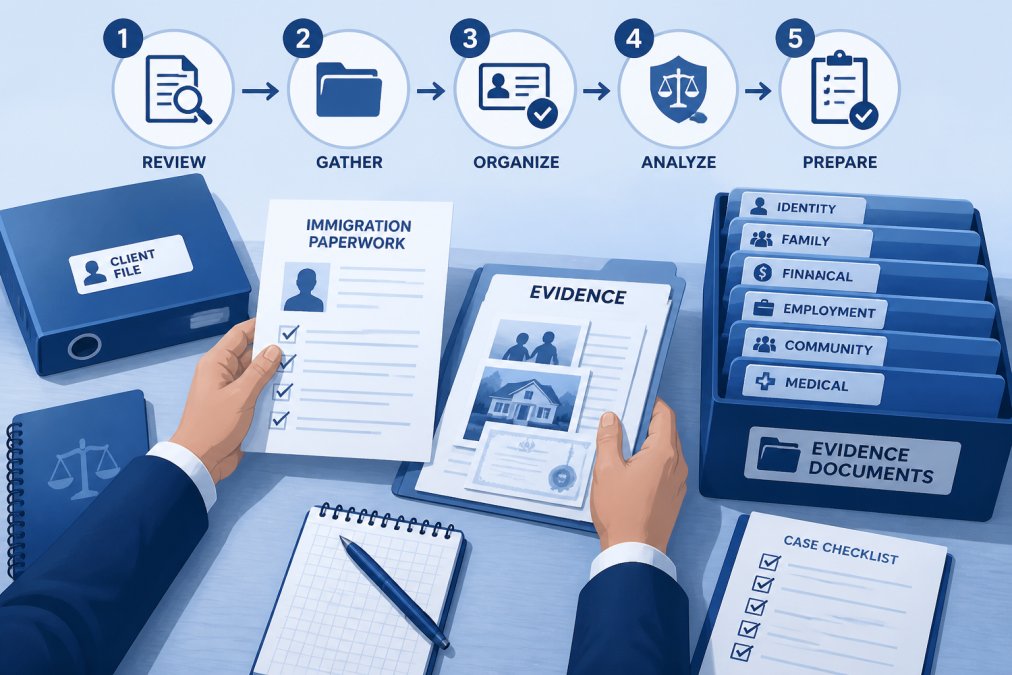
Begin this process immediately. Contact your employer for employment verification letters. Reach out to family members, friends, clergy, teachers, and community leaders who can write letters of support. Gather original documents or certified copies of important records. If your case involves a criminal conviction, obtain certified copies of the conviction record and sentencing documents. If you’ve completed rehabilitation programs, obtained employment, or maintained family relationships since the conviction, gather evidence of these positive developments.
Immigration Bonds and Stays of Removal
An immigration bond is a financial guarantee that you’ll appear for your immigration court hearings. If you’re detained by immigration authorities, you may be eligible for bond. The amount depends on factors like your ties to the community, your criminal history, and whether you’re considered a flight risk.
A stay of removal is an order that temporarily halts your removal from the United States. Stays of removal are typically granted while you’re appealing an adverse decision or while you’re pursuing relief from removal. Requesting bond and stays of removal requires filing motions with the immigration court supported by evidence and argument. An experienced attorney can present these motions effectively and advocate for your release or stay.
Facing deportation is genuinely frightening, and the immigration court system is complex. You deserve representation from someone who understands the process and can advocate effectively for your rights. At Kanu & Associates, P.C., we provide expert legal representation for individuals and families navigating removal proceedings in Arizona and New Mexico. Our team specializes in immigration law and is committed to explaining your options clearly and fighting for the best possible outcome in your case. Contact us today to discuss your situation and explore your options for defending against deportation.
Frequently Asked Questions
How much does a deportation defense attorney cost?
The cost of deportation defense attorney services varies based on case complexity, the stage of removal proceedings, and the attorney's experience. Some firms offer flat fees for specific services, while others charge hourly rates. Pricing depends on factors like whether your case involves asylum claims, family-based relief, or appeals. Contact immigration law firms directly for a consultation and cost estimate. If you cannot afford private representation, pro bono immigration lawyers and legal aid organizations may provide free services based on income eligibility.
What are the main defenses against deportation?
Several defenses against deportation exist under immigration law. Cancellation of removal allows certain noncitizens to remain if they have been physically present for 10 years, maintained good moral character, and face extreme hardship. Asylum and refugee protection apply if you face persecution based on protected grounds. Family-based relief, including VAWA petitions for abuse victims and U visas for crime victims, can stop removal. Other options include stays of removal and parole requests. A qualified deportation defense attorney can evaluate which defenses apply to your specific situation.
Where can I find pro bono immigration lawyers in New Mexico?
The New Mexico Immigrant Law Center (NMILC) provides free legal services to low-income immigrants, including deportation defense assistance, citizenship help, and asylum workshops. To qualify for pro bono immigration lawyers, you typically must meet income guidelines. Many immigration law firms also offer reduced-cost consultations or payment plans. Contact local legal aid organizations, bar associations, and nonprofit immigration advocacy groups for referrals. When facing removal proceedings, early action is critical, contact a pro bono provider or attorney immediately.
What happens at a master calendar hearing?
The master calendar hearing is your first appearance in immigration court. At this hearing, you will be informed of the charges against you, given a copy of the Notice to Appear, and advised of your rights. You may enter a plea, request a continuance, or proceed to the individual hearing. Your deportation defense attorney can help you understand the charges, negotiate with government prosecutors, and determine the best strategy. This hearing sets the timeline for your case and is your opportunity to assert due process rights and begin building your defense.
What documents do I need to gather for my deportation defense case?
Gather documents that support your case, including birth certificates, marriage certificates, children's birth certificates, employment records, tax returns, and letters from employers or community members. For cancellation of removal claims, compile evidence of physical presence in the U.S., good moral character, and family hardship. For asylum cases, collect documentation of persecution, threats, or violence. Medical records, police reports, and government documents may also strengthen your case. Work with your deportation defense attorney to create a comprehensive checklist specific to your circumstances and the relief you are seeking.
Can an immigration attorney also handle my criminal case?
Some immigration law firms have criminal defense attorneys on staff or work with criminal defense specialists, allowing them to handle both aspects of your case. This coordination is important because criminal convictions can trigger deportation proceedings. However, not all immigration attorneys practice criminal law. Ask potential firms whether they offer combined representation or have relationships with criminal defense partners. Ensuring your attorneys communicate and coordinate strategy is essential to avoid outcomes that harm your immigration status.
This article was written using GrandRanker