


Table of Contents
- Questions About Experience and Expertise
- Red Flags When Hiring an Immigration Lawyer
- Immigration Attorney Fee Structures and Billing
- Immigration Lawyer Consultation Checklist
- Verifying Credentials and Professional Standing
- Strategy and Case Timeline Expectations
- Post-Approval Support and Termination Policies
- Conclusion
Last Updated: August 25, 2026
Questions About Experience and Expertise
Ask how many years the attorney has practiced immigration law specifically. Five years focused exclusively on immigration matters outweighs 20 years in general practice (aila.org). Request their success rate with cases similar to yours, if you’re applying for an EB-3 visa, ask how many EB-3 cases they’ve handled and approval percentages. Ask for specific examples of cases they’ve managed that resembled yours and whether they’ve handled complications similar to yours, such as criminal records or prior visa denials.
Years of practice and case history
Immigration law has changed dramatically over the past decade. An attorney focused on immigration for the last five years likely has more current knowledge than someone who dabbled in immigration work ten years ago. Ask them to describe their case history in your specific visa category, naturalization, green card sponsorships, asylum applications, or work visas, as each has distinct rules and pitfalls. Find out whether they’ve worked with clients from your country of origin, since immigration law intersects with country-specific policies and consular procedures.
Success rate with your case type
Any competent attorney should tell you their approval rate for your specific visa category. Ask whether they measure success only by approval or track other outcomes like reduced delays or successful appeals. Request references from past clients who had similar cases.
Red Flags When Hiring an Immigration Lawyer
Recognizing warning signs early can save you thousands of dollars and months of delays.
Warning signs of unlicensed practitioners
Verify an attorney’s bar status directly through the state bar association website. Be cautious of people who call themselves "notarios" or "immigration consultants" without being licensed attorneys, in the United States, notarios are not lawyers and cannot provide legal advice (aba.org). Ask to see their bar license and verify it independently, checking for disciplinary history on the state bar’s website. Watch for attorneys who operate primarily online with no physical office or local presence.
Promises that sound too good to be true
If an immigration lawyer guarantees approval, they are lying. No attorney can guarantee that immigration authorities will approve your case. Be skeptical of lawyers who promise to "speed up" your case dramatically, immigration timelines are largely set by government agencies, not lawyers. Avoid attorneys who pressure you to decide immediately, ask for large upfront payments before doing work, refuse to provide a written fee agreement, or claim they can help with issues completely outside immigration law.
Immigration Attorney Fee Structures and Billing
Understanding how an immigration lawyer charges is essential to budgeting and avoiding surprise bills.
Flat fees vs. hourly rates vs. contingency
Flat fees are common in immigration law for straightforward cases like naturalization applications or green card sponsorships, providing budget certainty. Always ask what is included and what would trigger additional charges. Hourly rates vary widely depending on experience and location; the downside is unpredictability. Contingency fees are rare in immigration law but align the attorney’s financial incentive with your success. Some attorneys use a hybrid approach: a flat fee for core work plus hourly charges for additional services.
What government filing fees cover
Government filing fees, paid directly to USCIS or other agencies, are separate from attorney fees and non-refundable (uscis.gov). Ask your attorney for a breakdown of what you’re paying the government versus what you’re paying them, and ensure your fee agreement clearly states what is covered.
Fee agreements in writing
Never hire an attorney without a written fee agreement. Your fee agreement should specify the total cost, what is included, what triggers additional charges, when payment is due, and what happens if you terminate before the case is resolved. It should also explain what government fees you are responsible for and any refund policies.
Before signing a fee agreement, ask the attorney to walk you through it line by line. If anything is unclear, ask for clarification in writing.
Immigration Lawyer Consultation Checklist
Your initial consultation with an immigration attorney is your opportunity to assess whether they are the right fit for your case.

Documents and information to bring
Bring all documents related to your immigration history: passport, visa stamps, I-94 arrival records, prior applications or denials, employment authorization documents, and any correspondence from USCIS or the Department of State. Include financial documents if your case involves sponsorship, such as recent tax returns, W-2s, employment letters, and bank statements. Bring a list of all countries you have visited in the past five to ten years and the names and contact information of any family members in the United States with their immigration status.
Questions about communication and responsiveness expectations
Ask how the attorney prefers to communicate and what the typical response time is for emails, phone calls, and urgent matters. Ask whether they use a client portal or case management system where you can track your application status. Clarify how often you should expect updates and whether the attorney handles work directly or delegates to a paralegal or legal assistant.
Verifying Credentials and Professional Standing
Before you hire an attorney, verify that they are actually qualified and in good standing with the bar.
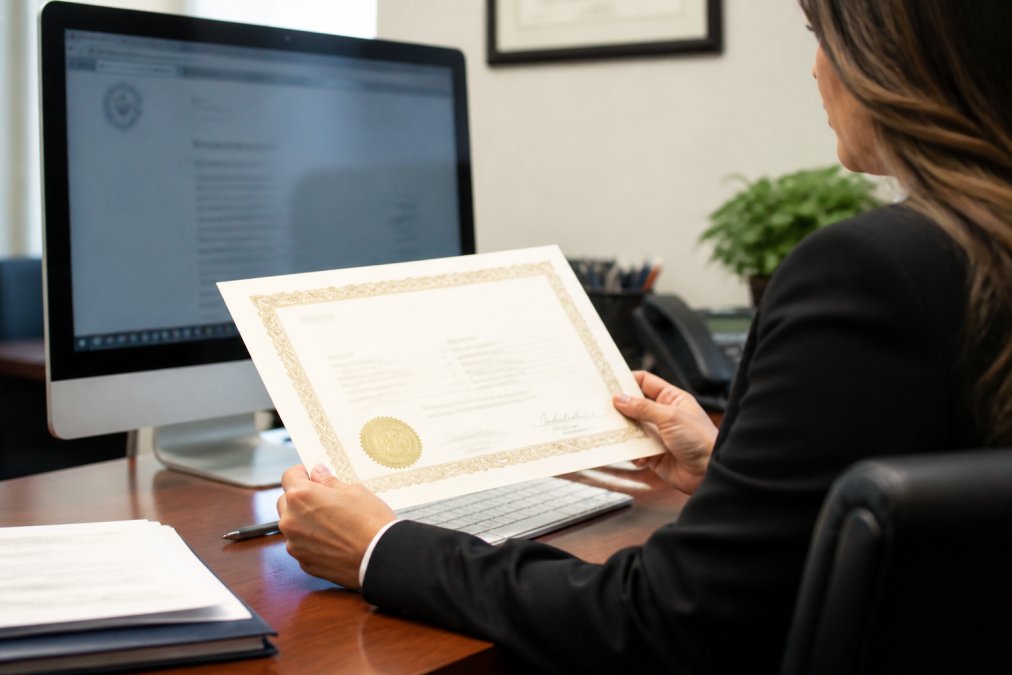
Bar association membership and disciplinary history
Look up the attorney’s name on your state bar’s website and verify that their license is active and in good standing. Check for any disciplinary history, as a pattern of complaints or serious sanctions is a major red flag. Ask whether the attorney is a member of the American Immigration Lawyers Association (AILA), which signals commitment to staying current with immigration law. Ask whether they have any certifications in immigration law, which demonstrates specialized expertise. immigration background checks.
Direct access to the attorney vs. paralegal
Ask whether you will work directly with the attorney or primarily with a paralegal or legal assistant. Working directly with the attorney means consistent communication with the person making decisions; working with a paralegal can be more cost-effective. Ask who will be responsible for different aspects of your case and what happens if your primary contact leaves the firm or becomes unavailable.
Strategy and Case Timeline Expectations
Before hiring an attorney, you need to understand how they plan to handle your case and what timeline is realistic.
How the lawyer plans to handle your case
Ask the attorney to outline their strategy for your specific situation and explain not just what they will do, but why. Ask whether they see any obstacles or red flags in your case, and whether they recommend any preliminary actions before filing your application.
Realistic timeline and potential outcomes
Ask for a realistic timeline and what could cause delays. Ask what you should expect at each stage and about potential outcomes, best-case, worst-case, and most likely scenarios. Ask what happens if your application is denied or if an RFE is issued and what your options are.
Handling RFEs and appeals
An RFE (Request for Evidence) is common in immigration cases. Ask your attorney how they handle RFEs and whether your fee agreement covers RFE responses or whether those would be billed separately. Ask about their experience with appeals and what the chances of success are.
Do not hire an attorney who guarantees they can overturn a denial or win an appeal. Appeals are difficult, and success is never guaranteed.
Post-Approval Support and Termination Policies
Your relationship with your attorney does not necessarily end when your case is approved.
What happens after your case is approved
Ask what support the attorney provides after your case is approved and whether they will help with future immigration matters.
Refund and termination policies
Ask what happens to your money if you need to terminate the relationship before the case is resolved. Ask whether there are circumstances under which the attorney might terminate the relationship with you and what your obligations are if you want to terminate.
| Question Category | What to Ask | Why It Matters |
|---|---|---|
| Experience | Years in immigration law specifically; success rate with your case type | Ensures attorney has relevant expertise |
| Credentials | Bar membership status; disciplinary history; AILA membership | Verifies attorney is legitimate and in good standing |
| Fees | Flat fee vs. hourly; what is included; government fees separate; written agreement | Prevents surprise bills and ensures transparency |
| Communication | How you will communicate; response times; use of client portal | Sets expectations for how informed you will be |
| Strategy | Specific plan for your case; obstacles identified; preliminary steps recommended | Ensures attorney has thought through your situation strategically |
| Timeline | Realistic processing time; what happens at each stage; RFE and appeal options | Helps you plan and manage expectations |
| Red Flags | Guarantees of approval; pressure to decide; unlicensed practitioners; promises to speed up government processing | Protects you from predatory or incompetent practitioners |
Conclusion
Hiring an immigration attorney is one of the most important decisions you will make during your immigration journey. The right attorney can guide you through a complex process, protect you from costly mistakes, and significantly increase your chances of success.
At Kanu & Associates, P.C., we understand the stakes. Our team specializes in immigration law and has helped clients navigate naturalization, green card sponsorship, work visas, and humanitarian relief. We provide transparent fee agreements, direct access to experienced attorneys, and clear communication throughout your case. If you are ready to move forward with confidence, contact Kanu & Associates, P.C. today for a consultation.
Frequently Asked Questions
What questions should I ask an immigration lawyer during a consultation?
Ask about their years of experience with your specific case type, their success rate, how they structure fees, and whether you'll work directly with the attorney or a paralegal. Request details on their communication process, expected timeline, and how they handle complications like Requests for Evidence (RFEs). Ask what documents you'll need to bring and whether they offer post-approval support. These questions help you understand the lawyer's expertise and whether they're the right fit for your immigration legal representation needs.
What are the biggest red flags when hiring an immigration lawyer?
Watch for lawyers who guarantee approval, promise unrealistic timelines, or pressure you to pay large upfront fees without a written agreement. Be wary of anyone who discourages you from reviewing your own documents or who cannot clearly explain their fee structure. Verify they are actually licensed by checking the bar association, notarios publicos are not attorneys and cannot provide legal representation. Avoid anyone who avoids discussing potential case outcomes or refuses to put agreements in writing. These red flags often indicate inexperience or unethical conduct.
How are immigration attorney fee structures typically organized?
Immigration attorneys commonly use flat fees for straightforward cases like family-based green cards, hourly rates for complex matters requiring ongoing work, or sometimes a combination. Flat fees provide predictability; hourly rates are common for litigation or cases requiring extensive attorney time. Government filing fees are always separate from attorney fees and are paid directly to USCIS or other agencies. Request a detailed fee agreement in writing before hiring, including what services are covered, when payments are due, and whether there are refund provisions if your case is denied or you terminate the relationship early.
How can I verify an immigration attorney's credentials and disciplinary history?
Check your state bar association's website to confirm the attorney is licensed and in good standing. Search for any disciplinary history or complaints. Verify membership in professional organizations like the American Immigration Lawyers Association (AILA), which indicates commitment to immigration law specialization. Ask the attorney directly about their bar admission date, any prior malpractice claims, and whether they maintain professional liability insurance. These verification steps protect you from unlicensed practitioners and ensure you're working with someone who meets professional conduct standards.
This article was written using GrandRanker