


Last Updated: October 24, 2026
Quick Summary
An immigration bond hearing is a proceeding where a detained immigrant appears before an immigration judge to determine whether they should be released from custody while their immigration case proceeds. The hearing typically lasts 15 minutes to one hour, and the timeline from arrest to release can vary from days to months depending on how quickly you request a hearing and prepare your case.
- Request a bond hearing immediately after arrest to be scheduled within 2-7 days rather than waiting weeks.
- Gather employment letters, proof of residence, family documentation, and community character letters before your hearing.
- The hearing itself lasts 15 minutes to one hour, with judges deciding the same day in most cases.
- Bond conditions typically include reporting requirements, travel restrictions, and maintaining your listed residence address.
- Incomplete documentation or lack of legal representation are the biggest factors causing delays in the process.
Table of Contents
- Understanding the Immigration Bond Hearing Timeline
- How to Request an Immigration Bond Hearing
- Immigration Bond Hearing Documents You’ll Need
- How Long Does Immigration Bond Take From Start to Release
- What Happens After an Immigration Bond Is Granted
- Common Delays and How to Avoid Them
- Getting Legal Help With Your Immigration Bond Hearing
- Frequently Asked Questions
Understanding the Immigration Bond Hearing Timeline
An [immigration bond hearing](/immigration-and-criminal-defense-law-firm-immigration/removal-and-deportation-defense/immigration-court-hearings) is a proceeding where a detained immigrant appears before an immigration judge or officer to determine whether they should be released from custody while their immigration case proceeds. The hearing itself typically lasts between 15 minutes and one hour, depending on the complexity of the case and the evidence presented. What happens during this hearing, and when it happens, directly affects whether you’re released quickly or remain in detention for months.
The timeline from arrest to release can vary dramatically. Some detainees are released within days; others wait weeks or months. Understanding what to expect at each stage helps you prepare mentally and legally. The process involves multiple steps: initial detention, bond request filing, hearing scheduling, the hearing itself, and then release or continued detention.
At Kanu & Associates, P.C., we help clients navigate this timeline with clarity. We know the uncertainty of detention weighs heavily on families. The key is knowing your options early and acting on them immediately.
How to Request an Immigration Bond Hearing
You don’t automatically get a bond hearing just because you’re detained. You must request one, and timing matters enormously.
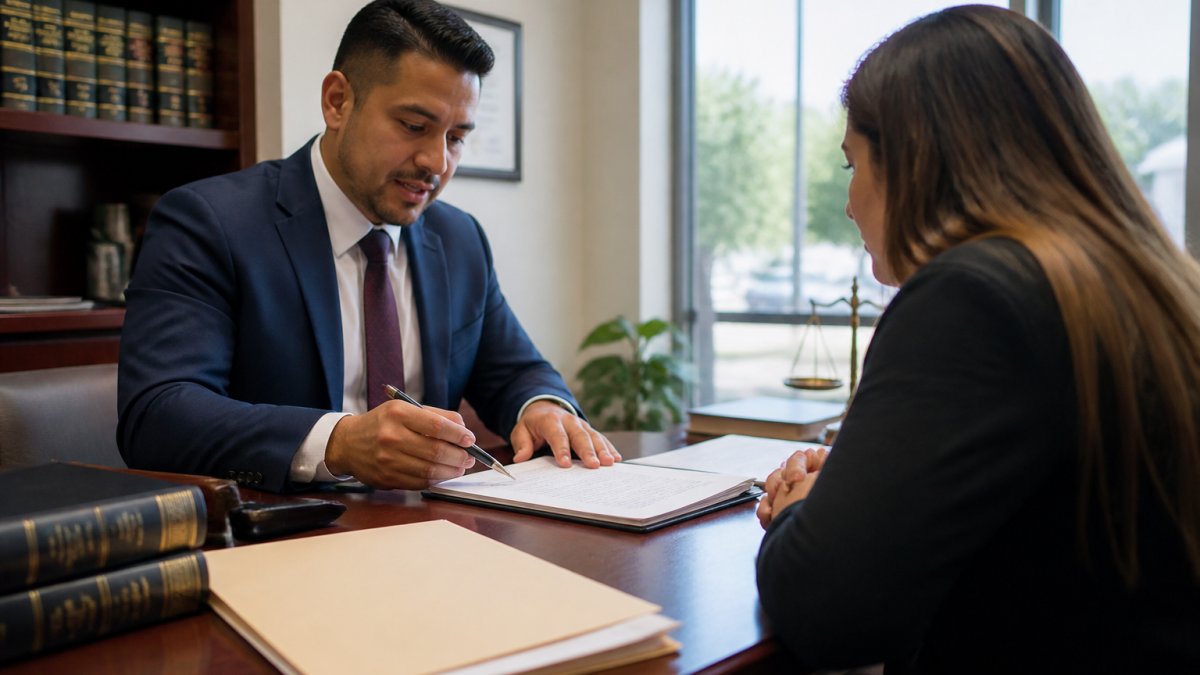
The process begins immediately after arrest. ICE must provide you with a Notice of Rights, which explains your right to request a hearing. You can request a bond hearing orally or in writing. Many people do this themselves, but having an attorney file the request dramatically improves your chances of success.
Your request should emphasize your ties to the community: employment, family, housing, length of residence, and lack of a criminal record. These factors help the judge determine whether you’re a flight risk or a danger to the community.
The timing of your request affects when your hearing occurs. If you request a hearing immediately, you may be scheduled within 2-7 days. If you wait, the process stretches out. This is why having legal representation from the moment of arrest is critical.
Immigration Bond Hearing Documents You’ll Need
Walking into an immigration bond hearing without proper documentation is like showing up to a job interview without a resume. The judge needs evidence that you belong in your community and that you’re not a flight risk. Gather these documents before your hearing:
- Proof of employment: Recent pay stubs, an employment letter from your employer stating your position and salary, and documentation of how long you’ve worked there
- Proof of residence: Lease agreement, mortgage documents, utility bills, or a notarized letter from a homeowner confirming you live there
- Family ties: Birth certificates of children born in the United States, marriage certificates, or documentation of close relatives living locally
- Community involvement: Letters from employers, teachers, religious leaders, or community organizations vouching for your character and ties to the area
- Financial documentation: Bank statements showing you have resources to support yourself and meet bond conditions
- Medical records: If you have ongoing medical treatment or serious health conditions that affect your ability to be incarcerated
- Prior travel history: Passport pages showing you’ve returned to the country after previous trips abroad, demonstrating you’re not a flight risk
The strength of your case depends partly on how thoroughly you document these factors. A single letter from an employer carries weight. Multiple letters from different community members carry more. Bank statements showing you own property or have substantial savings strengthen your case. The judge is essentially asking: “Will this person show up for their next hearing, or will they disappear?”
How Long Does Immigration Bond Take From Start to Release
The immigration bond hearing timeline expectations vary based on several factors, but understanding the general progression helps you plan. From the moment of arrest to potential release, the process typically unfolds like this:
Days 1-3 (Initial Detention): You’re taken into ICE custody and held at a detention facility. During this period, ICE conducts background checks and determines your immigration status. You have the right to make a phone call, typically within a few hours of arrival.
Days 3-7 (Bond Hearing Request and Scheduling): If you or your attorney request a bond hearing, ICE schedules one. This is where timing becomes critical. If you request immediately, you’re typically scheduled within this window. If you wait, scheduling can take weeks. The immigration bond hearing may be conducted in person at the detention facility or via video conference.
Day of Hearing (Variable): The hearing itself lasts 15 minutes to one hour. The judge hears arguments from both sides, reviews your documentation, and makes a decision. You’ll know the outcome the same day in most cases.
Post-Hearing (Hours to Days): If the judge grants bond, you’re released once the bond amount is paid or a bond agreement is signed. This can happen within hours or may take a day or two depending on processing. If bond is denied, you remain in detention and may appeal or wait for your next court date. Navigating these subsequent legal hurdles often requires a firm grasp of general court hearing procedures to ensure that every necessary step is handled with the appropriate level of diligence.
Many people underestimate how quickly this can happen if you’re prepared.
The immigration bond process typically unfolds across several stages, from initial detention through potential release.
| Stage | Timeline | What Happens |
|---|---|---|
| Initial Detention | Days 1-3 | ICE conducts background checks and determines immigration status |
| Bond Hearing Request and Scheduling | Days 3-7 | Hearing is scheduled if requested immediately |
| Immigration Bond Hearing | Variable | Hearing lasts 15 minutes to one hour |
| Post-Hearing | Hours to Days | Release occurs once bond is paid or agreement is signed |
What Happens After an Immigration Bond Is Granted
Once the judge grants your immigration bond hearing and releases you, your obligations don’t end. The bond is a financial agreement, you’ve essentially promised to show up for your next immigration hearing. Violating the terms of your bond has serious consequences.
What Happens at an Immigration Bond Hearing(page:3)
Your bond conditions typically include:
- Reporting requirements: You may be required to report to ICE weekly or monthly, depending on the judge’s order
- Travel restrictions: You generally cannot leave the country and may be restricted from traveling outside your state
- Residence requirements: You must maintain the address listed in your bond agreement and notify ICE of any changes
- Employment restrictions: Some bonds include work restrictions, though many do not
- No criminal activity: Any arrest or criminal charge while on bond can result in bond revocation and return to detention
The bond amount itself is held as security. If you comply with all conditions and appear for your hearings, the bond is eventually returned. If you fail to appear or violate conditions, you forfeit the bond and ICE will pursue deportation proceedings against you.
This is the critical phase where having legal representation matters most. Your immigration attorney guides you through compliance, prepares you for your next hearing, and works toward the best possible resolution of your immigration case.
Common Delays and How to Avoid Them
The immigration bond hearing timeline can stretch far beyond what you’d expect if certain mistakes occur. Understanding what causes delays helps you avoid them.
Incomplete documentation: Showing up to your hearing without proof of employment, residence, or community ties forces the judge to postpone the hearing. You’ll return to detention and wait for a rescheduled date, adding weeks to the process.
Missing your initial hearing date: If you’re transferred between detention facilities or if paperwork gets lost, your hearing might be rescheduled.
Criminal history complications: If you have prior arrests or convictions, the judge needs time to review them and determine their impact on your bond eligibility. Transparency about this early helps.
Lack of legal representation: People representing themselves often miss procedural deadlines, file incomplete requests, or present weak arguments. The judge may grant bond at a higher amount than necessary or deny it outright.
Employer or witness unavailability: If key people who could testify or provide letters are unavailable, your hearing may be postponed. Plan ahead and have backup documentation ready.
Facility processing delays: Even after a judge grants bond, processing the release can take time. Some facilities are slower than others. This is typically outside your control, but your attorney can follow up to expedite the process.
The single biggest delay factor is lack of preparation.
Getting Legal Help With Your Immigration Bond Hearing
The difference between a successful bond hearing and a prolonged detention often comes down to whether you have an attorney. Immigration law is complex, procedures are strict, and judges make decisions based on how well you present your case.
Immigration Bond(page:1)
When you hire an attorney, you’re not just getting someone to show up at your hearing. You’re getting someone who files your request, gathers documentation, identifies weaknesses in your case, and presents arguments. An attorney knows what judges in your jurisdiction care about, some prioritize employment, others focus on family ties, others look at criminal history.
How to Choose the Best Immigration Lawyer(page:2)
At Kanu & Associates, P.C., we handle immigration bond hearings across Arizona and New Mexico. We know the local judges, the detention facilities, the procedures at each location, and what works. We also understand the broader context of your case, whether you’re facing deportation, seeking asylum, or dealing with other immigration issues. This context matters because your bond hearing is just one step in a larger process.
The cost of legal representation is an important consideration. Many families spend months separated while their loved one remains in detention.
Your first step is understanding your options with an immigration lawyer(page:2). Then, contact our office. The sooner you act, the sooner you can be reunited with your family.
Frequently Asked Questions
How long does it take to get an immigration bond hearing?
The timeline varies based on detention facility workload and case complexity. Initial detention can occur immediately, but a hearing typically occurs within a reasonable timeframe. Some cases may take longer if additional information is needed or court schedules are crowded. Your attorney can request expedited hearings in certain circumstances.
What documents should you bring to an immigration bond hearing?
Bring government-issued identification, proof of residence, employment letters, family ties documentation, financial records showing ability to pay bond, character references, and any prior court orders. Your immigration attorney will advise on specific documents based on your case. Having organized, complete documentation strengthens your position and demonstrates stability to the immigration judge.
What happens after an immigration bond is granted?
Once the judge grants bond, you must pay the set amount to secure your release. Payment can be made through cash, bond, or delivery bond. After payment is processed, release typically occurs within hours to one business day. You’ll receive conditions of release, which may include check-ins, travel restrictions, or electronic monitoring. Failure to comply with these conditions can result in bond revocation and re-detention.
Can an immigration judge deny bond?
Yes, judges can deny bond if they determine you pose a flight risk, a danger to the community, or if you have serious criminal convictions. However, you have the right to request reconsideration and to appeal the decision. Having legal representation can help present evidence of ties to the community, employment, and family relationships that support bond approval.
Immigration bond hearings are navigable if you understand the timeline, prepare thoroughly, and get the right legal support. The families who succeed are those who act immediately, gather documentation, and work with an attorney who knows the system. At Kanu & Associates, P.C., we’ve guided countless clients through this process. We know the procedures, the judges, and what it takes to get results. Contact us today to discuss your case and begin the process of securing your release.
