


Table of Contents
- Overview of the Naturalization Process Timeline
- Naturalization Eligibility Requirements
- Filing Your N-400 Application: The First Step
- N-400 Processing Times 2026 and Field Office Variance
- Biometrics Appointment and Citizenship Interview
- How to Expedite Your N-400 Application
- The Oath of Allegiance and Certificate of Naturalization
- Common Delays and How to Avoid Them
- Frequently Asked Questions
Last Updated: September 30, 2026
Overview of the Naturalization Process Timeline
The naturalization process timeline varies significantly depending on your individual circumstances, the field office handling your case, and current processing volumes. Understanding what to expect at each stage helps you prepare documents, plan your life around key milestones, and avoid costly mistakes that could delay your path to citizenship. (Source: USCIS policy manual on eligibility requirements)
Knowing the actual steps, and the common delays that derail applications, puts you in control rather than leaving you waiting for answers.
This guide walks you through every phase of the naturalization process timeline, from eligibility requirements through the oath ceremony. We’ll cover what happens at each stage, realistic timeframes by field office, and strategies to keep your application moving forward.
Naturalization Eligibility Requirements
Before you file Form N-400, you must meet specific criteria. The USCIS doesn’t make exceptions for these thresholds, so confirming your eligibility upfront saves months of wasted effort.
Residency Duration: The 3-Year vs. 5-Year Rule
Most applicants must maintain continuous residence in the United States for five years as a permanent resident before they can apply for naturalization. However, if you’re married to a U.S. citizen, you can apply after just three years of continuous residence.
The distinction matters because it determines when you’re eligible to file. A permanent resident who married a citizen can file immediately upon reaching the three-year mark. A permanent resident without a citizen spouse must wait the full five years. USCIS counts this period from the date your green card was issued, not from when you first entered the country.
Continuous residence means you haven’t left the country for trips longer than six months. A single trip exceeding six months breaks your continuous residence clock, and you must start over. Trips under six months don’t reset the clock, but USCIS scrutinizes them during your interview.
Physical Presence and Continuous Residence
Beyond continuous residence, you must have been physically present in the United States for at least half the required period. For the five-year rule, that’s 30 months of physical presence. For the three-year rule, it’s 18 months.
Physical presence is stricter than continuous residence. Time outside the country counts against this requirement, even if your trips were under six months. If you spent 14 months abroad across multiple trips during your five-year continuous residence period, you haven’t met the 30-month physical presence threshold and cannot file yet.
USCIS tracks your travel history through customs records, passport stamps, and your own statements. Discrepancies between what you report and what the records show can trigger requests for additional evidence or even denials.
Good Moral Character and English Proficiency
You must demonstrate good moral character during the five-year period before filing (or three years if you’re married to a citizen). This means no felony convictions, no crimes of moral turpitude, no DUIs within the past five years, and no immigration fraud.
English proficiency requires you to read, write, and speak English at a basic level.
Start preparing for the civics test and English assessment at least three months before your interview. Many free USCIS study materials are available online, and practice tests help you identify weak areas early.
Filing Your N-400 Application: The First Step
Form N-400, Application for Naturalization, is the official document that starts your naturalization process timeline. Filing it correctly and completely is critical, errors or missing documents delay processing significantly.
Preparing Your Application Package
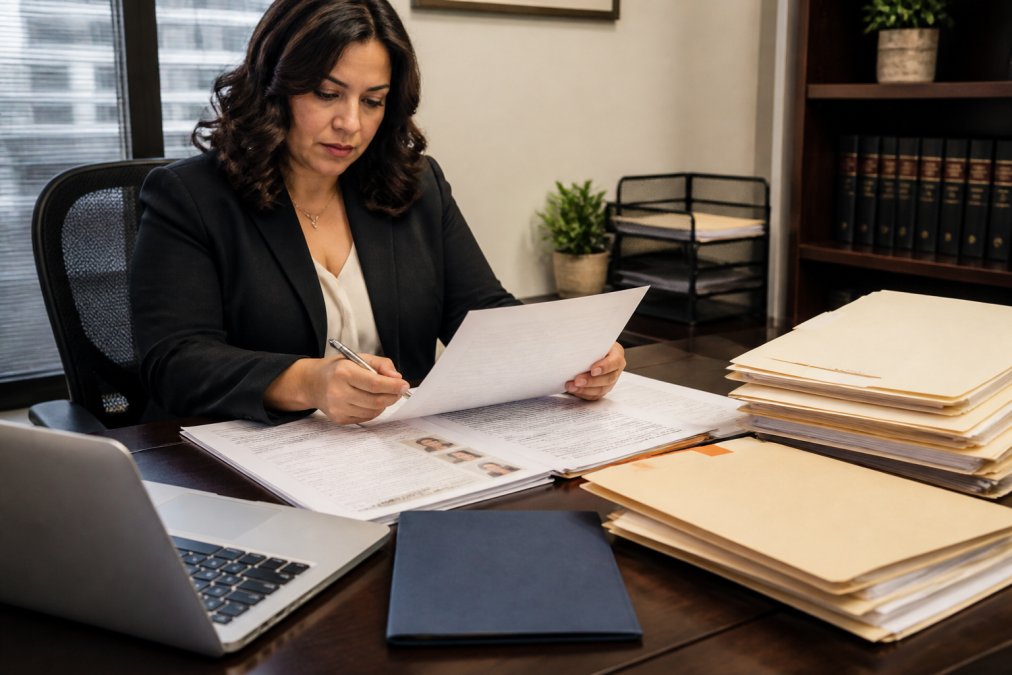
Your N-400 package includes the form itself, supporting documentation, and the filing fee. USCIS requires specific documents: your green card, passport, state ID or driver’s license, birth certificate, marriage certificate (if applicable), divorce decrees (if applicable), and any police records or court documents related to arrests or convictions.
Filing Fee and Submission Methods
As of 2026, USCIS charges a filing fee for Form N-400. You can pay by check, money order, or credit card when you submit your application. Some applicants qualify for a fee waiver based on income, but you must request it explicitly on Form I-912.
N-400 Processing Times 2026 and Field Office Variance
The N-400 processing times 2026 range from 8 to 18 months nationally, but this figure masks significant variation between field offices. Where you file dramatically affects how long you wait.
Understanding Field Office-Specific Timelines
Field offices in high-volume areas like Los Angeles, New York, and Miami often take 14 to 18 months to schedule your interview. Field offices in lower-volume areas complete cases in 8 to 12 months. USCIS publishes processing times on its website, broken down by field office, so you can see the actual average for your location.
Check your specific USCIS field office’s processing times before filing. This single number determines your realistic timeline better than any national average.
Tracking Your Case Status Online
Once you receive your receipt notice, you can track your case status on the USCIS website using your receipt number. The status updates show when your biometrics appointment is scheduled, when your interview is scheduled, and when a decision is made.
Biometrics Appointment and Citizenship Interview
After USCIS receives your N-400, you’ll be scheduled for a biometrics appointment. This is a separate appointment from your citizenship interview.
What to Expect at Your Biometrics Appointment
At your biometrics appointment, USCIS collects your fingerprints, photograph, and signature. The appointment takes about 15 minutes. You’ll be scheduled at a USCIS Application Support Center, not the field office itself.
The Citizenship Interview and Naturalization Test
Your citizenship interview is where USCIS evaluates your English proficiency, civics knowledge, and character. The officer will ask you questions about your N-400 application, your residence history, your employment, and your family. Expect questions about why you want to become a citizen and what you understand about U.S. government and law.
How to Expedite Your N-400 Application
Standard naturalization process timeline progression can feel slow if you have time-sensitive circumstances. USCIS allows expedited processing in limited situations.
Expedited Processing and Priority Cases
You can request expedited processing if you have a medical emergency, military deployment, job relocation, or other compelling circumstance. Submit Form I-907, Request for Expedited Processing, with supporting documentation explaining your situation.
Impact of Travel and Moving During the Application
Moving to a different state or country during your application creates complications. If you move to a different state, your case may transfer to the new field office, which adds processing time. Notify USCIS of your address change immediately using Form AR-11.
Do not travel internationally after filing your N-400 without explicit written permission from USCIS. A trip abroad can reset your continuous residence clock or trigger a denial. The consequence is months of reapplication work, not just a delayed timeline.
The Oath of Allegiance and Certificate of Naturalization
After you pass your interview, you’re scheduled for an oath ceremony. This is where you officially become a U.S. citizen.
Post-Approval Administrative Processing
Between your interview approval and your oath ceremony, USCIS completes final administrative steps. This stage typically takes 2 to 6 weeks. During this time, USCIS prepares your Certificate of Naturalization and coordinates the oath ceremony date with your local field office.
Common Delays and How to Avoid Them
Understanding what stalls applications helps you prevent delays before they happen.
Frequently Asked Questions
What is the current naturalization process timeline in 2026?
The naturalization process timeline varies significantly by USCIS field office location. On average, applicants can expect the full naturalization process timeline from N-400 filing through oath ceremony to take 8-12 months, though some field offices process cases in 6-8 months while others may take 14-18 months or longer. Processing times depend on your specific field office’s caseload, the completeness of your application package, and whether administrative processing delays occur after approval.
What are the naturalization eligibility requirements I need to meet?
Basic naturalization eligibility requirements include: being at least 18 years old, holding a green card for either 3 or 5 years (depending on your circumstances), maintaining continuous residence and physical presence in the country, demonstrating good moral character, showing English proficiency, and passing the civics test. Spouses of U.S. citizens may qualify under the 3-year rule instead of the standard 5-year requirement. Consult with an immigration attorney to confirm your specific eligibility.
How can I expedite my N-400 application?
Expedited processing for your N-400 application is generally available only in specific circumstances, such as medical emergencies or military service. More importantly, you can avoid delays by submitting a complete, error-free application package with all required supporting documentation upfront. Respond promptly to any USCIS requests for additional information, maintain your USCIS account for case tracking, and notify USCIS immediately if you move during the application process, as address changes can cause significant delays.
What is the difference between the 3-year and 5-year naturalization rules?
The 3-year rule applies to green card holders married to U.S. citizens and those with qualifying military service. The standard 5-year rule applies to all other permanent residents. Both timelines measure continuous residence and physical presence from the priority date of your green card application. Spouses of citizens also have more flexible physical presence requirements under the 3-year rule, though they must still maintain continuous residence.
Why is N-400 processing taking so long right now?
N-400 processing delays occur due to high caseloads at USCIS field offices, incomplete or missing supporting documentation in applications, background checks and administrative processing requirements, and staffing variations across different field office locations. Post-approval administrative delays can also extend the timeline between approval and oath ceremony. Moving during the application process or failing to respond promptly to USCIS requests can add months to your timeline.
Does the naturalization timeline vary by field office location?
Yes, naturalization processing times vary significantly by USCIS field office. Some field offices process N-400 applications much faster than others due to differences in caseload, staffing levels, and administrative efficiency. Your specific field office location directly impacts your processing timeline. You can check estimated processing times for your field office through the USCIS website or by contacting the office directly.