


Table of Contents
- What Happens to Assets Without a Will: The Basics of Intestate Succession
- Probate Without a Will: How the Process Works
- Assets That Do Not Go Through Probate
- Transferring Property After Death Without a Will
- What to Do When Someone Dies Without a Will: A Step-by-Step Checklist
- How Assets Are Distributed to a Surviving Spouse and Children
- Realistic Timelines, Costs, and Common Disputes
- Frequently Asked Questions
Last Updated: October 20, 2026
What Happens to Assets Without a Will: The Basics of Intestate Succession
When someone dies without a will, state law decides who gets their assets through intestate succession, a fixed statutory formula, not the family’s wishes.
The rules are predictable but rarely match what people assume: when it comes to assets without a will, the state writes the will for you.
Intestate succession is the legal process that distributes a deceased person’s assets according to state statute when no valid will exists. It applies to probate assets only, meaning property titled solely in the deceased person’s name.
How State Law Determines Heirs
Each state sets its own inheritance order, generally prioritizing spouse, then children, then parents, then siblings, then more distant relatives.
Arizona and New Mexico both follow this broad structure, though the details differ. A few rules apply almost everywhere:
- Unmarried partners have no inheritance rights, no matter how long the relationship lasted.
- Stepchildren inherit nothing unless legally adopted.
- Friends and charities receive nothing.
The court follows the statute exactly. It has no authority to honor what the deceased “would have wanted.”
The Role of the Probate Court
Probate court oversees the process: a judge confirms the death, identifies legal heirs, appoints an estate manager, and approves final distribution.
Court supervision protects creditors and heirs but costs time and money. Most estates without a will go through full probate because no executor is named to act independently.
Probate Without a Will: How the Process Works
Probate without a will follows the same steps as with one, except the court picks the administrator rather than following the deceased’s choice.
The process moves through five stages:
- A family member or creditor files a petition to open probate.
- The court sets a hearing and notifies all known heirs.
- The judge appoints an administrator and issues letters of administration.
- The administrator inventories assets, pays valid debts, and files tax returns.
- The court approves distribution, and the estate closes.
Appointment of an Administrator
The administrator (personal representative) runs the estate. Without a will, state law sets priority: usually spouse, then adult children, then parents.
That order causes friction: two siblings with equal standing can both petition, and the judge decides.
Administrators collect assets, keep records, pay creditors, and distribute what remains, and can be personally liable for mistakes, so many families hire counsel.
An administrator who distributes assets before paying valid creditors can be ordered to repay the estate out of their own pocket. Pay debts first, then distribute.
Assets That Do Not Go Through Probate
Many assets skip probate entirely. These non-probate assets pass directly to a named beneficiary or co-owner.
Common examples include:
- Life insurance policies with a named beneficiary
- Retirement accounts such as 401(k)s and IRAs with beneficiary designations
- Property held in joint tenancy with right of survivorship
A beneficiary designation overrides everything else: a policy still naming an ex-spouse pays that ex-spouse, even after remarriage. Reviewing designations matters as much as writing a will.
Ask every client to pull their beneficiary designations once a year. It takes twenty minutes and prevents the single most common inheritance dispute we see.
Transferring Property After Death Without a Will
Transferring property after death without a will depends on title. Real property held solely in the deceased’s name must go through probate before sale or refinancing.
Personal property follows the same logic: a car titled in one name needs probate authority; a payable-on-death bank account does not.
The Consumer Financial Protection Bureau’s guide to managing a deceased person’s accounts explains how financial institutions handle these transfers.
What to Do When Someone Dies Without a Will: A Step-by-Step Checklist
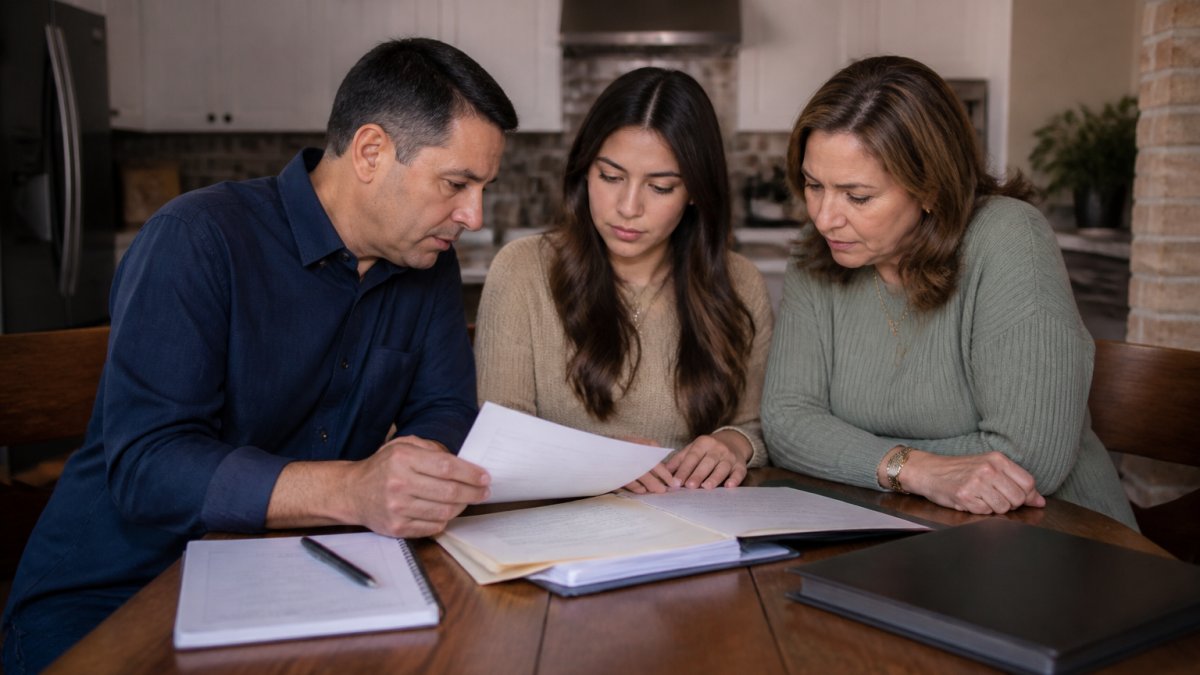
These steps keep the estate organized and help you avoid the two most common mistakes: distributing property before debts are paid, and leaving a non-probate asset unclaimed because no one checked the beneficiary form.
Phase 1: The First Two Weeks
- Order at least ten certified copies of the death certificate from the county vital records office or the funeral home. Banks, insurers, and the court each want an original, and replacements take weeks.
- Identify probate assets versus non-probate assets. Probate assets are those titled solely in the deceased’s name with no beneficiary designation. Non-probate assets include jointly held property, payable-on-death accounts, retirement accounts, and life insurance with a named beneficiary.
- Notify the Social Security Administration, the deceased’s employer, and any pension administrator. The Social Security Administration’s survivor benefits page explains the notification step and what benefits family members may claim.
Phase 2: Opening the Estate
- File the petition to open probate in the county where the deceased was domiciled at death. Domicile, not where the death occurred, controls venue in most states.
- Request the court set a hearing and order notice to all known heirs. Notice requirements are statutory; skipping or shortening them is one of the most common reasons a distribution is later challenged.
- Once appointed, request letters of administration. These are the documents banks and title companies will demand before they release anything.
Phase 3: Inventory, Debts, and Taxes
- Inventory and value all estate property as of the date of death. Use appraisals for real estate, vehicles, and collectibles; use account statements for financial assets.
- Pay valid debts in the order state law requires. Funeral expenses and administration costs typically come first, then secured debts, then unsecured claims.
- File the final income tax return and, if the estate earns income, the estate’s fiduciary return. The IRS publishes the estate filing thresholds; confirm current figures before filing.
Phase 4: Distribution and Closing
- Distribute remaining assets per the court’s order or, where the state allows, per the administrator’s proposed distribution after the claims period closes.
- Obtain receipts from each heir for what they received.
- File the final accounting and petition to close the estate.
Timing matters. Debts and taxes come before distributions. An administrator who pays heirs first and then discovers a valid creditor claim can be ordered to repay the estate out of personal funds.
Where Families Get Stuck
Three decision points cause most delay: locating heirs (a missing beneficiary may require a formal search or a held share), valuing a closely held business or unusual asset (often needing appraisal and court approval), and disputes over who serves as administrator (equal-priority petitioners let the judge decide, and the loser can object and slow things down).
The Consumer Financial Protection Bureau’s guide to managing a deceased person’s accounts is a useful reference for the financial-institution notification step.
How Assets Are Distributed to a Surviving Spouse and Children
A surviving spouse usually receives the largest share, but the amount depends on state law and whether the deceased had children from another relationship.
The typical patterns look like this:
| Family Situation | Common Distribution Pattern |
|---|---|
| Spouse and shared children | Spouse inherits most or all of the estate |
| Spouse and children from another relationship | Spouse takes a share; children split the rest |
| Children only, no spouse | Children share equally |
| No spouse, no children | Parents inherit, then siblings |
Children generally share equally, regardless of age or financial need. A child born outside marriage inherits if paternity is established. Adopted children inherit as full heirs. Stepchildren do not.
When There Is No Surviving Spouse or Close Relative
With no spouse or close relative, the estate passes to distant relatives like aunts, uncles, and cousins; states publish a priority list, and the search can go generations deep.
If no legal heir is found, the estate escheats to the state, rare but real, requiring proof of a diligent search and often stretching for months.
Missing heirs create a separate problem: courts may distribute to known heirs while holding the missing share, or require a formal search.
Realistic Timelines, Costs, and Common Disputes
Timelines vary by state, backlog, and complexity. A simple estate with clear heirs and no property to sell often closes in six to nine months; disputes, missing heirs, or property sales commonly push it to twelve to eighteen months, and contested matters past two years.
What Actually Drives the Timeline
- Court backlog. Urban probate courts in high-volume counties routinely take longer to schedule hearings than rural courts.
- Creditor claims period. States set a statutory window, often several months, during which creditors can file claims. Distribution generally cannot close until that window runs.
- Real property. Selling a home requires court authority, a listing period, and often an appraisal, each adding weeks.
Where the Costs Come From
Costs fall into four buckets; ask for a written estimate of each before signing anything:
- Court fees. Filing fees and publication costs are set by statute and are modest relative to other costs.
- Administrator compensation. Many states set a statutory fee schedule based on estate size, while others allow “reasonable compensation” approved by the court. A common pattern is a percentage of the estate plus a percentage of income, but the exact formula is state-specific.
- Attorney fees. Some states allow statutory fees for the estate’s attorney; others require court approval of a reasonable fee. Ask whether the fee is hourly, flat, or a percentage of the estate.
Because figures vary by jurisdiction and estate size, request a written estimate and ask whether the administrator’s and attorney’s fees are separate charges.
The Disputes That Actually Reach a Judge
Disputes cluster around a few predictable issues:
- Who serves as administrator. Two siblings with equal priority can both petition, and the judge decides. The losing petitioner can object and delay the appointment.
- Whether an asset was a gift or a loan. Family members often disagree about money advanced during the deceased’s lifetime; written records settle it, and their absence invites litigation.
- A surviving partner with no legal standing. An unmarried partner inherits nothing under intestacy, regardless of the length of the relationship, and may file a claim that the estate must defend.
The most expensive probate is the one nobody planned for. A simple will and updated beneficiary designations prevent most disputes, and a written fee estimate before appointment prevents most cost surprises.
Planning options can reduce or avoid probate: revocable living trusts, transfer-on-death deeds where allowed, and updated beneficiary designations all move assets outside probate. Each has trade-offs, so an honest conversation with an estate planning attorney is worth the time.
The American Bar Association’s guide to estate planning offers a solid overview of these tools.
Frequently Asked Questions
Who inherits assets when someone dies without a will?
State intestate succession laws determine who inherits. Typically, a surviving spouse and children receive priority, followed by parents, siblings, and more distant relatives. If no relatives are found, the estate may pass to the state. The exact shares depend on the state and which family members survive. An experienced probate attorney can review the specific family tree and confirm who has legal standing to inherit assets without a will.
Does every asset go through probate if there is no will?
No. Assets that do not go through probate include jointly owned property with rights of survivorship, life insurance policies with named beneficiaries, retirement accounts with beneficiary designations, and payable-on-death bank accounts. These pass directly to the named individuals. However, solely owned real estate, vehicles, and financial accounts without beneficiary designations typically require probate. Understanding which assets are probate versus non-probate is a key step in transferring property after death without a will.
How long can property remain in a deceased person’s name?
Property can stay in a deceased person’s name for years, but leaving it there creates problems. The estate remains open, creditors can still make claims, and heirs cannot sell or refinance the property. Probate without a will can take months to years depending on the state and complexity. During that time, the administrator must manage the property, pay taxes, and maintain insurance. Delays increase costs and risk disputes among family members.
What should you avoid doing immediately after someone dies without a will?
Do not distribute personal belongings, withdraw large sums from bank accounts, or transfer title to vehicles or real estate before the court appoints an administrator. Do not pay debts out of pocket without legal advice. Avoid making promises to family members about who gets what. Instead, secure the home, locate the will (if any), gather financial documents, and consult a probate attorney to understand the correct steps for what to do when someone dies without a will.
Dying without a will leaves your family with a state-written plan that may not reflect your wishes. Kanu & Associates, P.C. helps families across Arizona and New Mexico build estate plans that protect what matters, with clear guidance on wills, trusts, and beneficiary designations. Our team explains your options in plain language so you can act with confidence. Contact Kanu & Associates, P.C. to start your estate plan today.