


Table of Contents
- Hiring an Immigration Lawyer vs. DIY Filing: Key Differences
- When You Can Safely File Without a Lawyer
- Common Mistakes in USCIS Form Filing
- Immigration Lawyer Consultation Cost and Fee Structures
- USCIS Processing Times 2026 and How Legal Help Can Help
- Risks of DIY Immigration Filing
- Benefits of Professional Legal Representation
- Making Your Decision: A Cost-Benefit Framework
Last Updated: August 17, 2026
Hiring an Immigration Lawyer vs. DIY Filing: Key Differences
The decision to hire an immigration lawyer or file your own case hinges on one fundamental question: what’s the cost of getting it wrong? A single missing document, misinterpreted form field, or procedural misstep can delay applications by months or trigger a Request for Evidence that derails the entire process. Yet for some cases, DIY filing with guided software or the official USCIS Online Account works perfectly well.
Immigration law operates in two layers: the technical layer of filling out forms correctly and meeting deadlines, and the strategic layer of understanding which visa category fits your circumstances and anticipating what USCIS will scrutinize. Most people focus on the technical layer and assume that’s enough. That’s where the divergence between hiring a lawyer and doing it yourself becomes critical.
The comparison isn’t about capability; plenty of individuals successfully navigate immigration without legal counsel. It’s about risk and what you stand to lose if something goes wrong. A green card denial means starting over. A missed deadline means reapplying and paying filing fees again. A deportation case without representation often results in removal.
When You Can Safely File Without a Lawyer
Not every immigration case requires legal representation. Low-risk cases typically involve family-based green card applications where the petitioner is a U.S. citizen with stable income and the beneficiary has no criminal history or immigration violations. Employment-based green cards for specialty occupations with approved labor certifications and naturalization applications for green card holders with no criminal record also tend to be straightforward.
The USCIS Online Account makes DIY filing more accessible than ever. You can file certain forms entirely online, N-400 for naturalization, I-90 for green card renewal, I-765 for work authorization, and I-130 for family-based petitions. You receive real-time status updates, upload supporting documents electronically, and respond to Requests for Evidence without mailing physical documents.
Platforms like Boundless Immigration and SimpleCitizen bridge the gap between pure DIY and full legal representation. They offer guided workflows that walk you through form completion and provide independent attorney review of your application package. Boundless starts at $195 for visa applications and ranges up to $2,399 for complex packages. SimpleCitizen pricing is similar, with DIY tiers starting at $249 and professional support tiers reaching $1,299.

The deciding factor: can you honestly assess your own eligibility, organize complex documentation, meet all procedural deadlines, and respond appropriately if USCIS requests additional evidence? If the answer is yes and your case involves no criminal history, no prior immigration violations, no visa denials, and no unusual circumstances, DIY filing is viable.
Common Mistakes in USCIS Form Filing
Most USCIS form errors stem from incomplete understanding of what the agency actually needs and how seemingly minor details reshape how your application is evaluated.
The most frequent mistake is incomplete biographical information or discrepancies between forms. If your name appears differently on your birth certificate, passport, and green card, even by one letter, USCIS flags it for verification. The agency requires consistency across all submitted documents, and resolving discrepancies means delays and additional requests for evidence.
Vague or incomplete employment history creates similar problems. USCIS needs specific dates, employer names, addresses, and the nature of work. Leaving gaps or providing approximate dates signals incomplete information and triggers scrutiny.
Documentation gaps are the third major category. Applicants submit minimum required documents but miss context that strengthens their case. For family-based green cards, this might mean failing to include evidence of the relationship’s bona fides, photos, joint tax returns, or lease agreements. For employment-based cases, it might mean not including letters from supervisors attesting to job duties.
Timing errors, missing deadlines, not responding promptly to Requests for Evidence, filing forms before required prerequisites are met, are equally costly. The agency sets specific windows for responses, and missing them can result in case denial.
Immigration Lawyer Consultation Cost and Fee Structures
Most immigration attorneys use one of three fee models. Flat fees apply to straightforward cases with predictable scope: naturalization applications, simple family-based green card petitions, work authorization renewals. You pay a fixed amount regardless of how long the case takes.
Hourly billing applies to complex cases where scope is uncertain: deportation defense, asylum cases, waiver applications, cases involving criminal history or prior visa denials. Attorneys typically charge between $200 and $500 per hour depending on experience level and case complexity.
Hybrid models combine elements of both, charging a flat fee for the application itself but hourly rates for court appearances, USCIS interviews, or additional work beyond the initial filing.
Initial consultations typically range from $100 to $400, depending on the attorney’s experience and your location. Some firms offer free consultations. A consultation lets you describe your situation, get preliminary assessment of case complexity, understand fee structure, and evaluate whether you feel confident working with that attorney.
The cost-benefit calculation isn’t just about hourly rates or flat fees. It’s about what the attorney can do that you can’t: anticipate USCIS concerns, position your case strategically, respond effectively to complications, and advocate if problems arise.
USCIS Processing Times 2026 and How Legal Help Can Help
USCIS processing times in 2026 vary dramatically by case type, service center, and current agency workload. Family-based green card cases range from 8 months to over 2 years. Employment-based cases can take 1-3 years for approval. Naturalization applications typically process in 8-12 months.
An immigration lawyer can’t make USCIS process faster, but they can optimize your case to avoid delays. This means submitting a complete, well-organized application package on the first submission rather than triggering Requests for Evidence that add months to processing time. It means understanding which service center handles your case and what that center’s typical timeline looks like.
For cases involving complications, prior visa denials, criminal history, or gaps in immigration status, legal representation becomes more valuable because the attorney understands what USCIS will scrutinize and how to address those concerns proactively.
Risks of DIY Immigration Filing
DIY immigration filing works until it doesn’t. The most immediate risk is form error. A single mistake, misunderstanding what a question asks, or providing incomplete information can trigger a Request for Evidence or case denial. Once denied, you must start over, pay filing fees again, and wait for reprocessing.
Documentation gaps represent another category of risk. Applicants often don’t know what supporting documents USCIS actually needs or how to organize them for maximum impact. Missing evidence means your case looks weaker than it could.
Strategic missteps are subtler but equally costly. An applicant might file in the wrong visa category, miss eligibility requirements, or fail to understand how prior immigration history affects current eligibility. Someone who overstayed a visa might not realize that certain visa categories are now closed to them.
Procedural mistakes, missing deadlines, failing to respond to USCIS requests within required timeframes, filing documents in the wrong sequence, can result in case abandonment or denial.
Perhaps the most significant risk is a complication you didn’t anticipate: a criminal conviction you thought was resolved, a period of unlawful presence that triggered a visa bar, or a prior visa denial that disqualifies you from your intended category. When these arise in a DIY case, the applicant often doesn’t know how to respond.
Benefits of Professional Legal Representation
Hiring an immigration lawyer provides benefits that extend beyond form completion and document organization.
The first is expertise in case evaluation. An attorney reviews your situation, identifies potential problems before they become costly mistakes, and assesses realistic chances of success. For applicants with complicated histories, prior visa denials, criminal records, or periods of unlawful presence, this assessment is invaluable.
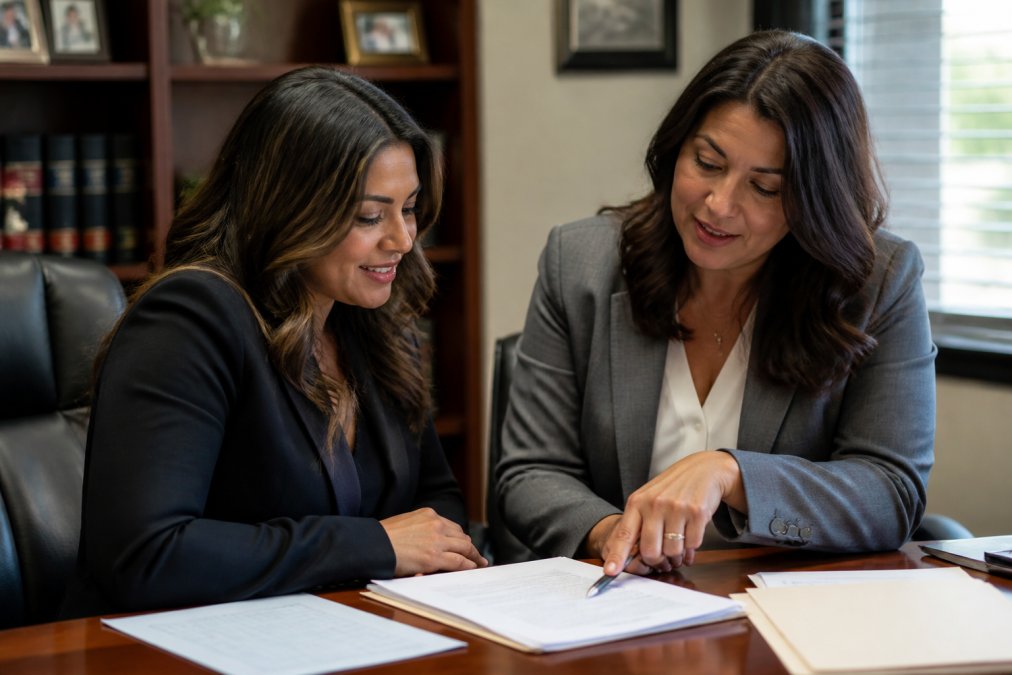
The second is strategic positioning. An attorney positions your case to succeed by understanding what USCIS will scrutinize for your specific case type, addressing those concerns preemptively, and organizing your application package to present the strongest possible narrative.
The third is representation and advocacy. If USCIS requests additional evidence, an attorney responds on your behalf. If you’re called for an interview, an attorney can attend and advocate for you. If complications arise, an attorney handles it.
The fourth is peace of mind. Immigration cases carry enormous stakes. Knowing that a qualified attorney is managing your case, anticipating problems, and advocating for your interests provides psychological relief.
The fifth is protection against costly errors. A single mistake in a DIY case can cost thousands of dollars in re-filing fees and lost time. Professional representation prevents those errors from happening in the first place.
Making Your Decision: A Cost-Benefit Framework
Deciding whether to hire an immigration lawyer or file DIY requires honest assessment of your case complexity, your comfort with legal processes, your financial situation, and what you stand to lose if something goes wrong.
| Factor | Suggests DIY | Suggests Professional Help |
|---|---|---|
| Case Type | Family-based green card, naturalization, work authorization renewal | Deportation defense, asylum, waiver, employment-based with complications |
| Immigration History | Clean; no prior denials, no unlawful presence, no visa violations | Prior visa denial, overstay, criminal conviction, complex family situation |
| Documentation | Organized, complete, straightforward to gather | Scattered, incomplete, requires interpretation or translation |
| Comfort with Forms | Confident reading legal documents, attention to detail | Uncertain about requirements, prone to mistakes, uncomfortable with bureaucracy |
| Financial Situation | Cannot afford legal fees; willing to accept higher risk | Can absorb legal costs; prioritizes success over cost savings |
| Time Available | Can dedicate significant time to research and organization | Limited time; prefer to delegate to professional |
| Stakes | Lower consequences if case is delayed or denied | High consequences; family depends on outcome; job depends on visa status |
If most factors point toward DIY, professional representation might not be necessary. If most factors point toward professional help, hiring an attorney is likely the right choice.
Consider also the middle ground: using a guided platform like Boundless Immigration or SimpleCitizen that combines DIY filing with attorney review. For applicants with moderately complex cases or those seeking additional confidence without full legal costs, this hybrid approach often makes sense.
One final consideration: the cost of getting it wrong. If a denied application would create serious hardship, job loss, family separation, or deportation risk, the cost of professional representation is actually a form of insurance. Calculate not just the attorney’s fee but the cost you’d bear if the DIY approach fails.
Navigating immigration law requires making decisions with incomplete information and significant stakes. Whether you file DIY or hire representation, the goal is the same: a successful application and immigration status that lets you move forward with your life. Kanu & Associates, P.C. helps clients across Arizona and New Mexico make this decision by offering consultations that honestly assess case complexity, explain your options, and help you understand what professional representation can deliver. If you’re uncertain whether your case warrants legal help, a consultation is the place to start. Contact us to discuss your specific situation and get clear guidance on the path forward.
Frequently Asked Questions
Can I file my own immigration forms without a lawyer?
Yes, you can file many immigration forms yourself through USCIS Online Account or by mail. Straightforward cases like some green card applications, naturalization petitions, and work permits can be filed pro se (without legal representation). However, success depends on your case complexity, your familiarity with immigration regulations, and your ability to accurately complete USCIS forms. Even simple cases carry risk if you miss documentation requirements or procedural deadlines.
What are the most common mistakes in USCIS form filing when doing it yourself?
Common mistakes include incomplete or illegible forms, missing required supporting documents, incorrect fee amounts or payment methods, failure to sign forms where required, misunderstanding eligibility requirements, and missing critical deadlines for Request for Evidence responses. Many applicants also fail to provide certified translations of foreign documents or forget to include biographical information consistently across all forms. These errors often result in Request for Evidence notices, application delays, or outright denials.
How much does an immigration lawyer consultation cost?
Immigration lawyer consultation costs vary widely depending on the attorney and case complexity. Initial consultations typically range from $100 to $400, though some attorneys offer free preliminary reviews. Once retained, attorneys charge either flat fees for predictable cases or hourly rates (typically $200 to $500 per hour) for complex matters. For comparison, DIY platforms like Boundless and SimpleCitizen offer attorney review at flat rates starting around $195 to $450 per application, significantly less than full legal representation but without ongoing advocacy.
When should I definitely hire an immigration lawyer instead of filing myself?
You should hire a lawyer if your case involves removal proceedings, asylum claims, criminal history affecting immigration eligibility, family-based petitions with complications, employment-based sponsorship, waivers for grounds of inadmissibility, or any situation where USCIS has issued a Request for Evidence or denial notice. Cases with legal bars, prior visa denials, or those requiring strategic planning around compliance risks also warrant professional representation. Immigration regulations are complex, and a single error can result in years of delay or permanent ineligibility.
Does hiring a lawyer actually speed up USCIS processing times in 2026?
Hiring a lawyer does not change official USCIS processing times, which vary by application type and location. However, an attorney can help you avoid delays caused by incomplete applications, missed deadlines, or procedural errors. They respond promptly to Request for Evidence notices, file appeals if needed, and manage your case strategy to prevent the kind of mistakes that extend processing by months or years. In that sense, legal representation protects you from self-inflicted delays rather than accelerating the government timeline.
This article was written using GrandRanker